
PCOD, Menstrual Disorders & Hormone Disorder
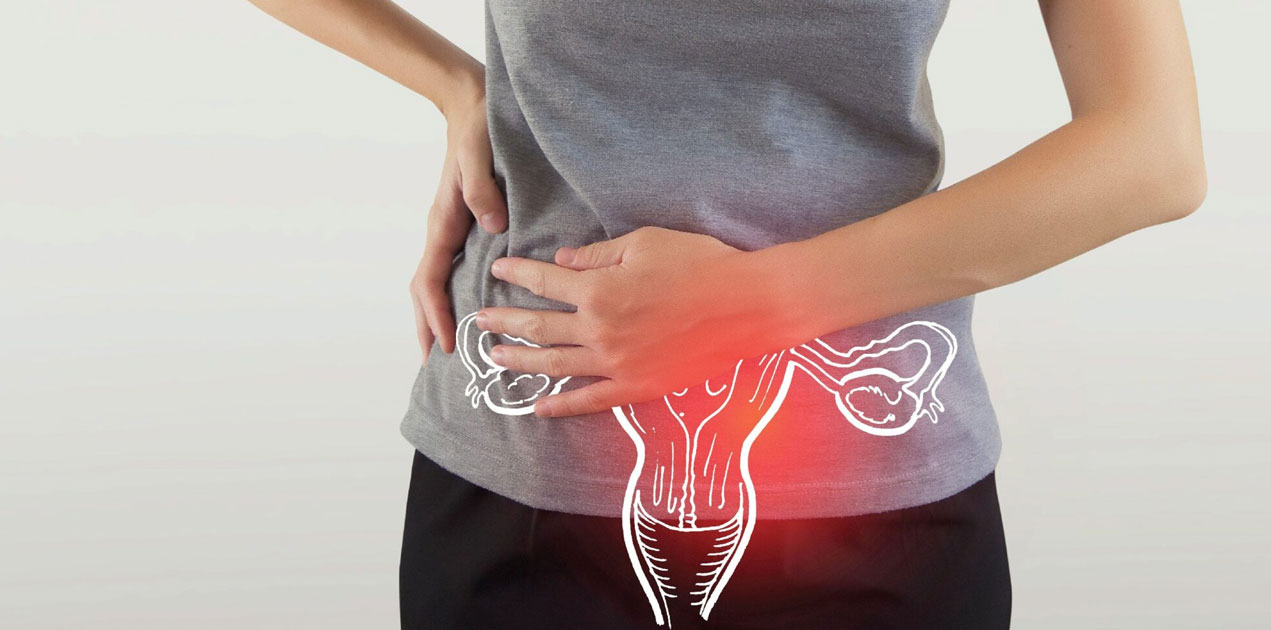
PCOD (Polycystic Ovarian Disease), menstrual irregularities, and hormonal disorders are increasingly common conditions affecting women’s reproductive, metabolic, and overall health. These disorders are often multifactorial, involving insulin resistance, endocrine imbalance, chronic inflammation, and metabolic dysfunction.
Many patients experience persistent symptoms despite conventional treatment, including irregular cycles, excessive bleeding, weight gain, acne, and infertility. This highlights the need for a comprehensive, root-cause-based approach.
This promotes natural hormonal regulation and improved ovarian function.
An integrative care model may include AI-driven diagnostics, targeted cleansing therapies, and modern medical approaches for the assessment and management of hormonal and reproductive health concerns.
This approach to PCOD and menstrual disorder management focuses on:
By combining AI Technology + Cleansing Therapy + Modern Allopathy, we aim to deliver sustainable and effective outcomes for women’s health.
© Dr. Manoj Lokhande. All Rights Reserved.
This information is intended for general health education and awareness. Diagnosis and treatment require individual medical assessment. Treatment suitability and outcomes vary according to the patient's medical condition.
No specific treatment outcome, disease reversal or cure is guaranteed.


